Naujienos

Your blog category

Supporting Healthy Eating for All: Vulnerability

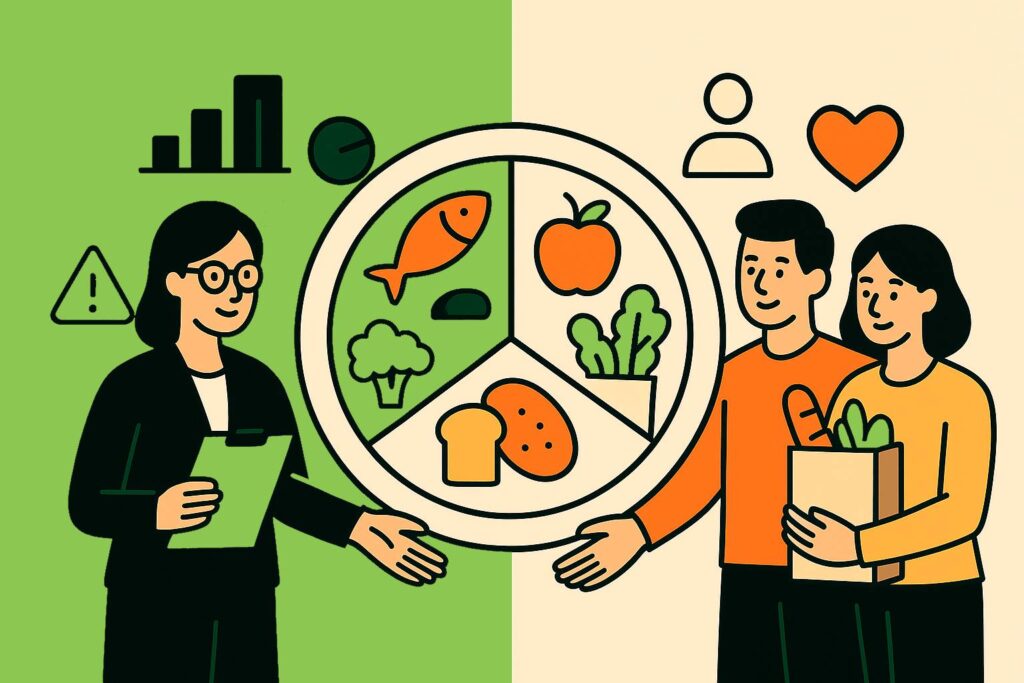
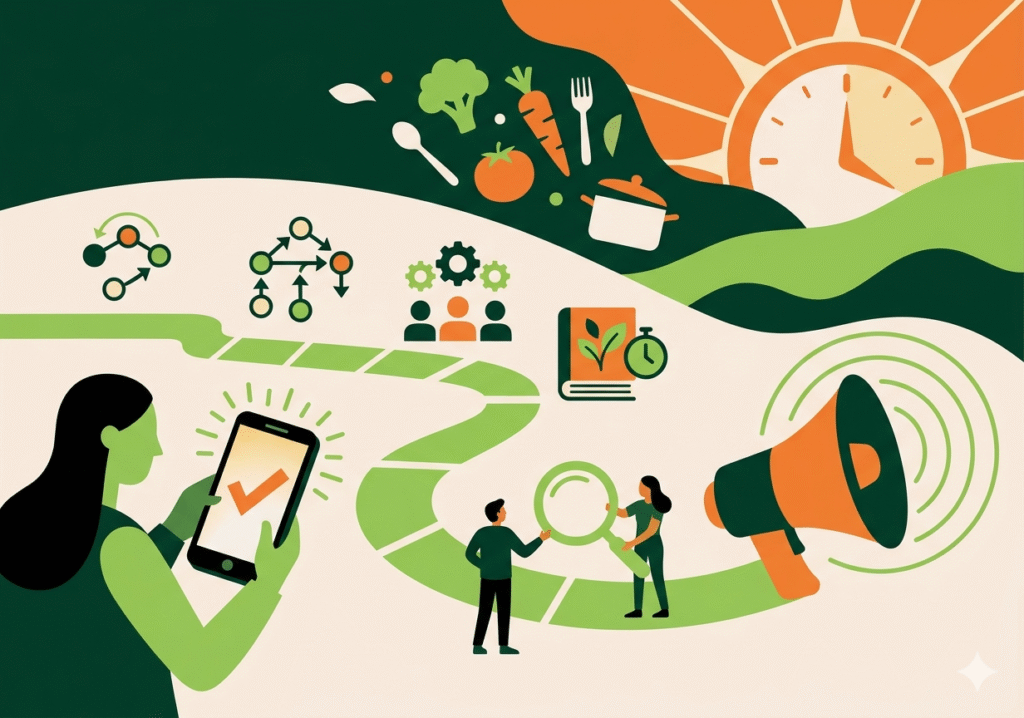
Supporting Healthy Eating For All: what experts and citizens across europe reveal 2025-08-12 To gain a deeper understanding of the needs, barriers, and motivations of vulnerable citizens in relation to healthy and sustainable eating, a series of expert interviews and a multi-country study were conducted as part of the DietWise project. This work was led by the Prolepsis Institute (Greece), in collaboration with Vilnius City Public Health Bureau (Lithuania), Vlaams Instituut Gezond Leven (Belgium), KU Leuven (Belgium), and AdCogito, Institute for Advanced Behavioral Research (Lithuania). The aim was to gather insights from professionals in Belgium, Greece, and Lithuania to inform the development of more inclusive, effective, and user-friendly tools that support vulnerable groups in making better dietary choices. Interviews with an experts   To ensure a diverse and representative perspective on the examined questions, experts were purposefully selected from three countries: Belgium, Greece, and Lithuania. The selection strategy aimed to include experts from various backgrounds, including academia, clinical practice, public health administration, and health communication. This approach enabled a balanced mix of roles, encompassing policy development, education, practical application, and public engagement. In total, 15 experts were interviewed – five in each partner country. Across Belgium, Lithuania, and Greece, the conceptualization of “vulnerable citizens” in the context of nutrition reflects a multidimensional understanding that moves beyond mere economic status to include social, cultural, psychological, and functional factors. The experts from all three countries emphasized that vulnerability is not defined by a single criterion (e.g., income), but rather a confluence of factors, including socioeconomic disadvantage, social isolation, cultural marginalization, limited knowledge or skills, life stage or physical/mental conditions. Our interviewed experts described that vulnerability is often seen as shaped by local systems, including food environments, welfare support, education access, and cultural norms. Experts from different countries sees vulnerability from different perspectives: In Belgium, vulnerability is linked to navigating unfamiliar systems (for migrants), mental health, and institutional barriers. In Lithuania, emphasis is placed on early-age vulnerabilities, the influence of digital media on adolescents, and limited food autonomy among children. In Greece, there is a detailed, life-course approach, highlighting how different stages (infancy, youth, aging) intersect with broader social and cultural dynamics. Despite that, several groups—such as people with disabilities (Belgium), adolescents (Lithuania), or pregnant and breastfeeding women (Greece)—were described as under-recognized or underserved in current public health strategies. These points to a need for more inclusive definitions and tailored interventions. Multiple forms of vulnerability often intersect, creating compounded disadvantage. For example: a low-income single mother from a migrant background may face financial, cultural, and informational barriers simultaneously or an older adult with mobility issues and digital illiteracy may struggle both to access food and understand dietary advice. Our interviewed experts say, that especially in Belgium and Greece, vulnerability is also defined by capacity and support networks. Functional limitations (e.g., chewing, cooking, shopping) can lead to vulnerability, even in the absence of poverty. Lack of social or institutional support (e.g., for meal preparation, accessing services) was highlighted as a key vulnerability factor. Analyzing the responses of the interviews, we have made key findings related with the uptaking of beneficial tools and apps: All three countries face challenges with the underuse of digital tools among vulnerable populations, especially those with low digital or health literacy. There is a consistent need for digital tools to be user-friendly, culturally adapted, and easy to navigate. Professionals across all countries rely on offline approaches, such as group sessions, brochures, or meal cards, due to their higher effectiveness with vulnerable populations. All experts agree that digital tools should complement, not replace, real-life strategies. Belgium focuses on the need for tools to support vulnerable groups in real-life settings, while Lithuania highlights barriers like limited device access and resistance to screen-based tools. Greece’s primary concern is the lack of digital tools tailored for vulnerable groups, with suggestions focused on integrating simple language, food vouchers, and notifications to increase user engagement. The insights gathered from experts across Belgium, Greece, and Lithuania reveal that nutritional vulnerability is a multifaceted and context-dependent phenomenon, shaped by a range of systemic and individual factors. Importantly, the findings underscore the critical need for inclusive, adaptable public health strategies that recognize intersecting forms of disadvantage and prioritize accessibility, especially in the digital domain. As digital tools become increasingly central to public health interventions, ensuring their cultural relevance, simplicity, and integration with offline support systems will be vital to reaching and empowering vulnerable populations in a meaningful and sustainable way. Multi-country epidemiological study   A recent multi-country epidemiological study conducted across Greece, Belgium, and Lithuania has shed light on the health, food behaviors, and digital readiness of vulnerable European citizens. The research, encompassing 482 participants, provides key insights into how individuals from diverse socio-economic and cultural backgrounds navigate nutrition, food security, and technology in their daily lives. The study included participants from rural villages to large cities, spanning ages 17 to 65+. While demographic characteristics varied, a common theme emerged: vulnerability—whether economic, social, or digital—impacted daily choices related to food and health. Over half of the participants were parents, and a significant portion lived in medium- to large-sized cities, indicating potential urban food insecurity challenges. Participants demonstrated a high level of self-awareness regarding personal health, which often motivated healthier behaviors. However, nutrition literacy remained moderate: while most said that they understand basic healthy food principles, many struggled with interpreting food labels and resisting misleading food advertising. Encouragingly, those with higher nutrition literacy showed a greater openness to using digital cooking apps—especially those promoting healthier recipes. A notable portion of the study population reported mild to severe food insecurity. Common coping mechanisms included reducing food variety or skipping meals — especially concerning for households with children. Interestingly, individuals facing food insecurity were more likely to express interest in using apps that offer budget-friendly, sustainable meal suggestions. This points to a crucial opportunity: digital tools may help vulnerable individuals make informed food choices under financial constraints. Study participants expressed a clear preference for fresh, unprocessed foods and were wary of

Supporting Healthy Eating for All: Vulnerability Read More »

GA meeting took place in Vilnius

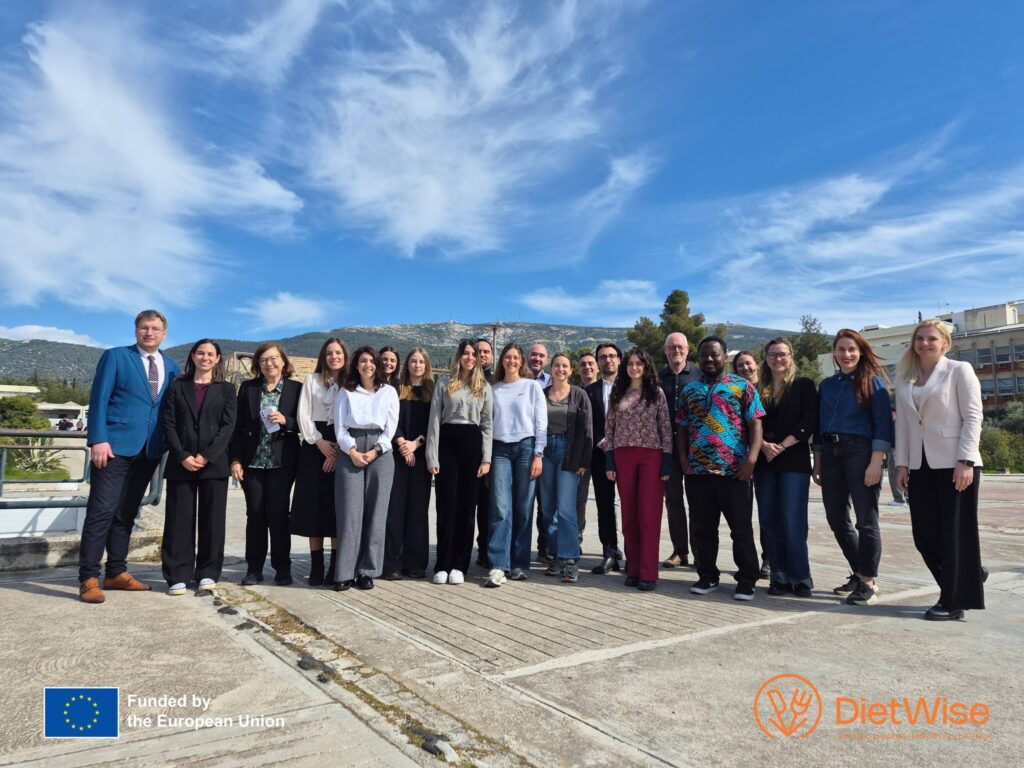
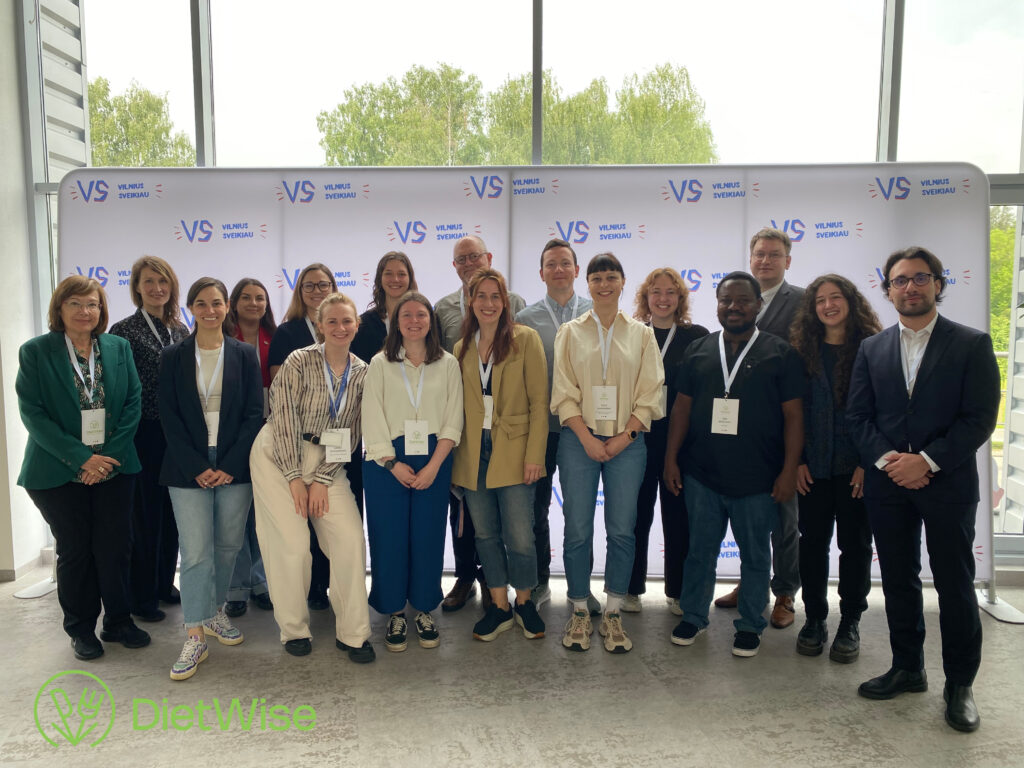
Food and Science: Key Outcomes from the DietWise General Assembly Meeting 2025-06-18 The first days of June were dedicated to the General Assembly meeting of the DietWise project, held in Vilnius, Lithuania, and hosted by the Vilnius City Public Health Bureau. All ten DietWise project partners participated in person, while other colleagues joined the two-day sessions online. The meeting focused on reviewing progress across the Work Packages during the first eight months of the project, as well as discussing the next steps in advancing our scientific work and ICT solutions, including the Responsible Cooking Alliance (RCA) tool and RecipeWatch app. Colleagues from the Prolepsis Institute presented findings from interviews conducted with experts in Belgium, Greece, and Lithuania. The selection strategy aimed to include experts from diverse backgrounds, including academia, clinical practice, public health administration, and health communication. In total, 15 experts were interviewed about vulnerability, health awareness, and nutrition literacy. The results of these interviews will be publicly available soon. The main discussion highlighted two key perspectives: how the DietWise consortium envisions the development of our ICT tools, and strategies to engage food influencers in the RCA initiative. Colleagues from the Vilnius City Public Health Bureau, Vlaams Instituut Gezond Leven, and the International Hellenic University shared their experiences from interviews with influencers and agreed on the next steps. In addition, the Institute of Communication & Computer Systems presented their approach to developing the RecipeWatch app and RCA tool. Numerous suggestions and ideas were gathered from project partners for the first versions of the tools, which are expected to be available in spring 2026. AdCogito, Institute for Advanced Behavioral Research, presented findings from the pre-testing of the RecipeWatch app. This research was conducted in Vilnius with more than 200 participants who accepted or declined the app’s suggestions. These outcomes will empower a mega-study planned for this autumn, involving ten times more participants than in the pre-testing phase. Finally, for the first time in the lifespan of the DietWise project, the General Assembly featured a presentation from a potential partner. Colleagues from the WiseFood project introduced their team, outlined their topics and methods, and presented the ICT solutions they aim to develop. The next DietWise General Assembly meeting is planned for late November.

GA meeting took place in Vilnius Read More »

DietWise Releases Its First Newsletter!

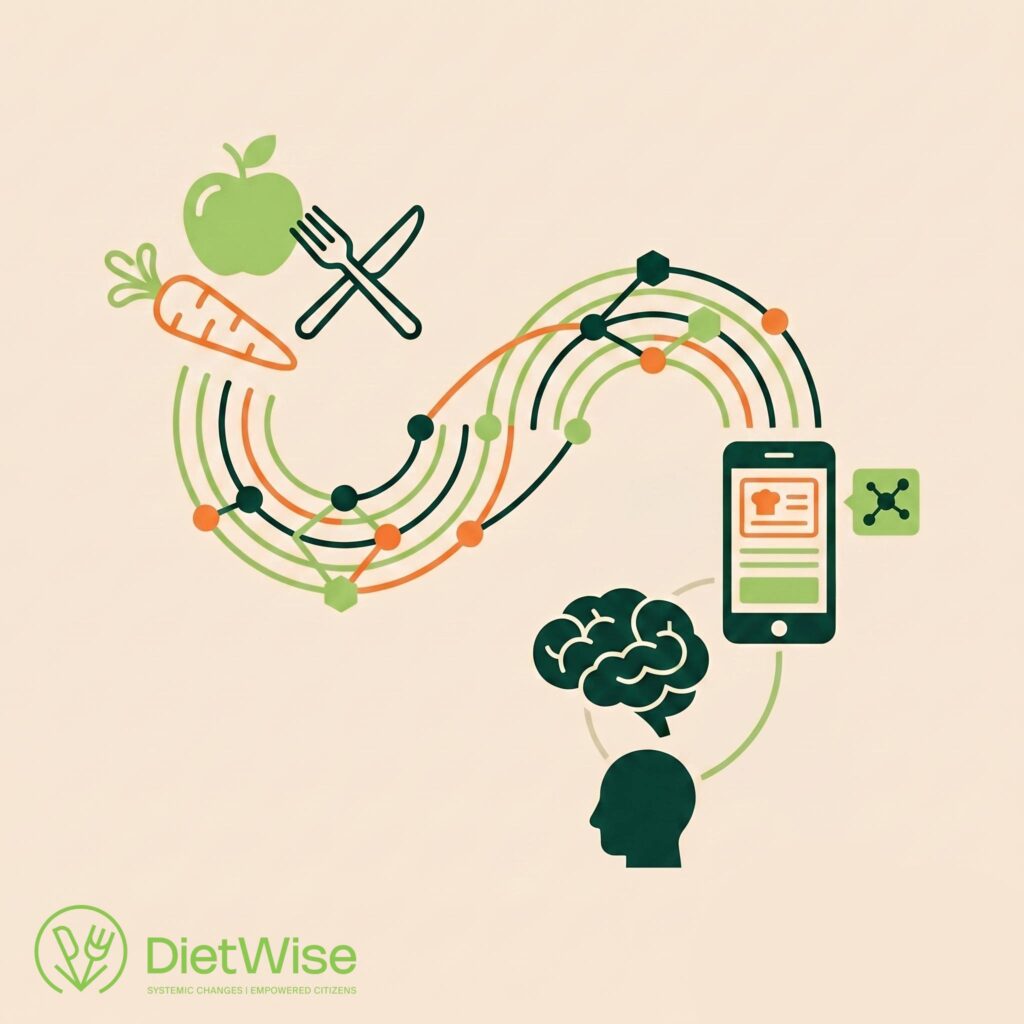
DietWise releases its first newsletter! 2025-05-19 We’re excited to announce the release of the first-everDietWise Newsletter, marking a major milestone in the development of our project. This issue highlights our progress during the first six months, shares key insights about our mission, and offers a closer look at what DietWise is all about. From the very beginning, the DietWise project has been driven by a clear goal: to empower individuals and communities with evidence-based tools and knowledge for healthier dietary habits. Over the past half-year, we’ve made a step forward to it and we‘re ready to share information about these steps with you. Whether you’re a supporter, stakeholder, or simply curious about our journey, this newsletter is a great way to stay updated and engaged. Read the full newsletter here: https://bit.ly/42VJZAx Thank you for being part of our growing community. Stay tuned — this is just the beginning!

DietWise Releases Its First Newsletter! Read More »

We begin

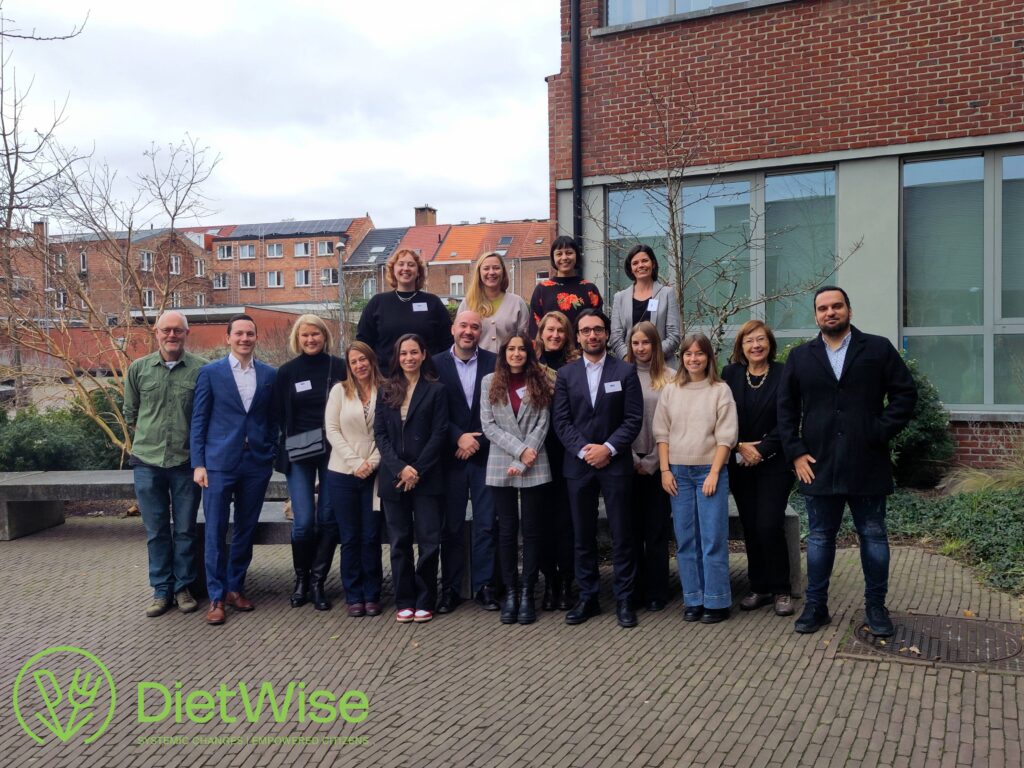
We begin: DietWise consortium met in KU Leuven 2024-12-09 The DietWise project consortium gathered in Leuven, Belgium, for a crucial two-day kick-off meeting on 9-10 December. Hosted at the KU Leuven ALMA building, the event provided an excellent opportunity for partners to meet for the first time, align on project goals, discuss progress, and tackle key challenges.We were honored to welcome EU officers Emanuela Marinelli and Daniela Lueth, whose participation and insights greatly enriched the discussions. Their presence underscored the significance of DietWise in the European research landscape. All consortium members were actively engaged, bringing their expertise and knowledge to ensure the project’s success. Throughout the meeting, Work Package leaders presented their respective timelines and key objectives, helping all partners gain a clear understanding of the next steps. The discussions facilitated a shared vision and practical strategies for moving forward efficiently.A focus of the meeting was also on the technical and ethical considerations surrounding the RCA tool and the RecipeWatch app. Partners exchanged ideas, addressed challenges, and identified potential solutions to ensure these tools meet the highest standards of usability and compliance.  The meeting concluded with an interactive workshop on influencer engagement. Partners exploredstrategies to involve influencers in the project, discussing potential benefits and incentives that could encourage their participation. This session provided valuable insights into expanding DietWise’s reach and impact. The Leuven kick-off meeting marked a significant step forward for the DietWise project, reinforcing collaboration and setting the stage for the next phase of development. We look forward to the continued progress and impact of our joint efforts!

We begin Read More »